Theme of this edition: Winterizing Patio and Garden Furniture. Keep comfort alive when temperatures fall with smart prep, practical tips, and real stories. Read, comment with your first frost date, and subscribe for more seasonal guidance tailored to your outdoor oasis.

Start With a Deep Clean Before the First Freeze

Soap, Rinse, Repeat, Then Dry Completely

Use mild, pH-neutral soap and warm water with a soft brush to lift embedded dirt before it hibernates under covers. Rinse thoroughly, then dry in sunlight or with towels. Moisture trapped under covers becomes a mildew party no one wants next spring.

Why pH Matters for Natural Wood

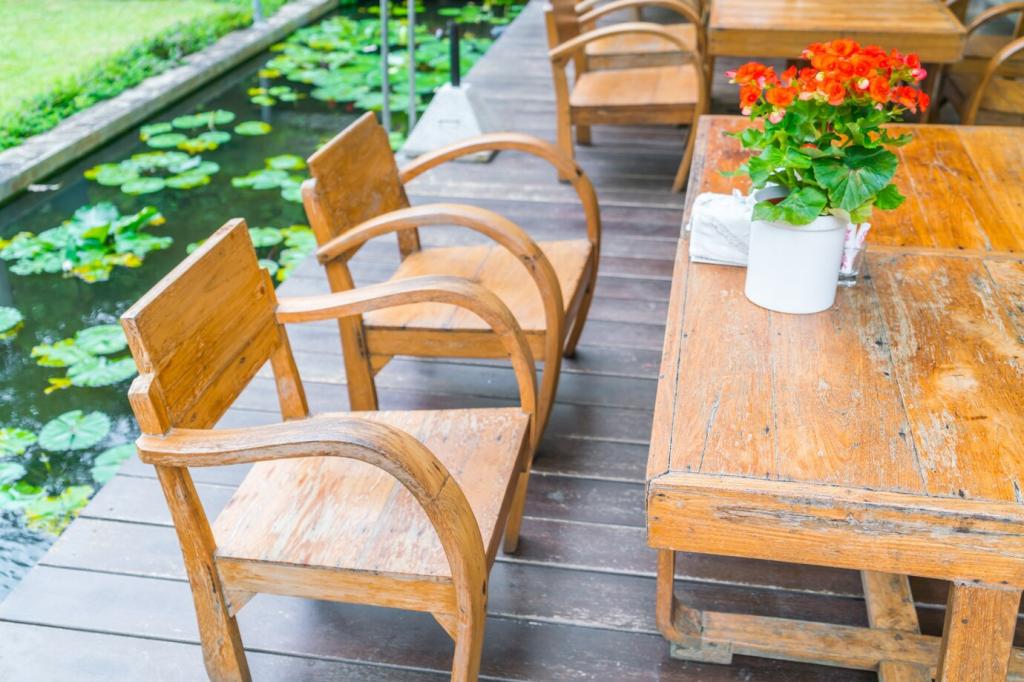
Harsh cleaners strip oils, raise the grain, and stress fibers that will contract in winter cycles. Choose a pH-balanced solution for hardwoods and softwoods, rinse gently, and allow slow, complete drying. Your winterized patio and garden furniture will thank you with a smoother finish.

An Anecdote From a Frosty Balcony

Last year, a neighbor skipped drying their wrought-iron bistro set, then sealed it under a tarp. Condensation pooled, rust bloomed, and spring sanding became a weekend thief. This season, they used breathable covers and a towel wipe. No rust, and zero remorse.

Smart Covers and Breathable Barriers

Choose covers with built-in vents and breathable fabrics that shed water yet allow vapor to escape. This reduces condensation, mold, and corrosion under fluctuating winter temperatures. Avoid entirely airtight barriers that trap humidity around winterized patio and garden furniture joints and fasteners.

Smart Covers and Breathable Barriers

Measure furniture accurately and select covers that contour without hugging too tightly. Integrated straps and buckles keep them secure during gusty storms. A snug, tailored fit prevents billowing that can rub finishes or yank pieces across slick patios when storms barrel through.
Hardwoods and Softwoods, From Teak to Pine

Clean with a wood-safe soap, let dry fully, and apply a manufacturer-approved sealer for color retention if recommended. Avoid last-minute oiling in freezing conditions. Elevate legs off wet surfaces with pads, and keep airflow under covers to prevent musty odors and black spotting.

Steel, Aluminum, and Wrought Iron

Degrease lightly, dry thoroughly, and touch up chips with rust-inhibiting paint. A thin wax layer or corrosion inhibitor spray adds winter protection. Use breathable covers and avoid direct contact with salty melt runoff that accelerates oxidation near driveways and walkways during thaw cycles.

Resin Wicker, Rattan, and Plastics

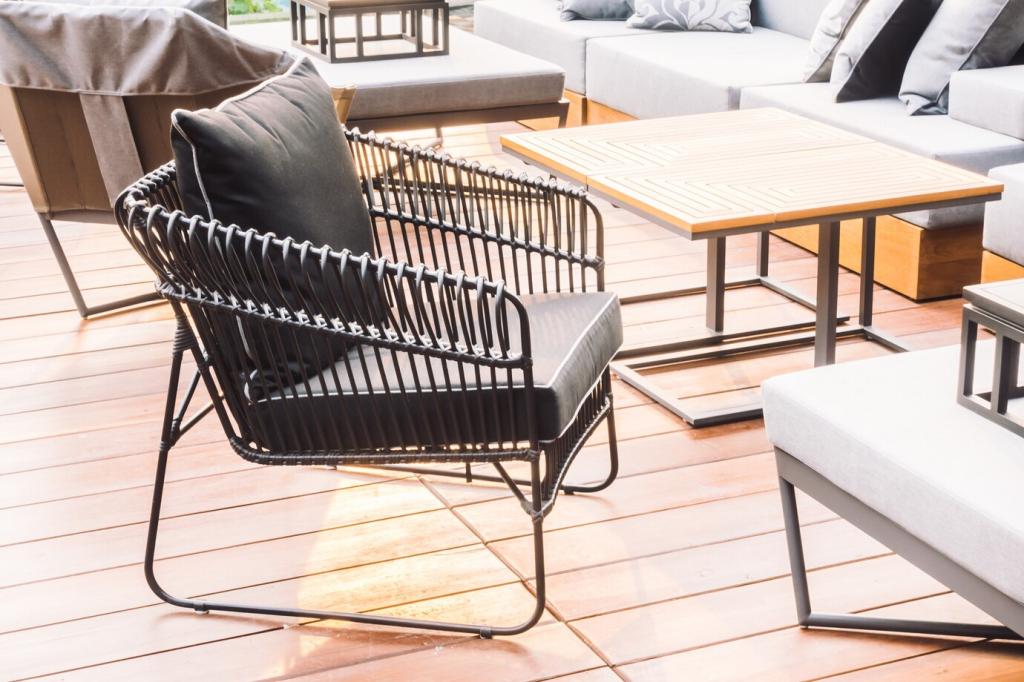
For resin wicker, use soft brushes and mild soap. Avoid pressure washers that force water into frames. Natural rattan must overwinter indoors. Plastics can turn brittle in deep cold, so limit stacking weight, reduce exposure to icy stress, and store out of prevailing wind channels.

Smart Storage: Garage, Shed, or Outdoor Staging

Stack chairs loosely with spacers to encourage airflow. Avoid compressing cushions or wrapping frames tightly in plastic. Create channels so air can move freely and moisture has an escape route. Mildew hates ventilation, and your nose will thank you in April.

Smart Storage: Garage, Shed, or Outdoor Staging

Use pallets, rubber feet, or composite blocks to lift legs off damp floors. Concrete wicks moisture that can swell wood feet and corrode hardware. A small elevation buffer prevents puddle contact and offers a barrier against slushy melt sneaking under door gaps.

Smart Storage: Garage, Shed, or Outdoor Staging

If pieces must stay outside, cluster them near a wind-shielded wall, cover with breathable fabric, and strap covers beneath seats. Add soft bumpers where frames touch to stop scuffing. Schedule quick post-storm inspections and share your storm checklists with fellow readers.

Cushions, Fabrics, and Umbrellas Done Right

Wash, Rinse, and Dry Beyond the Zipper

Remove covers if manufacturer approved, vacuum foam, and launder gently. Rinse thoroughly to banish suds that attract grime. Dry fully in warm airflow before storage. Damp foam hides mildew spores that multiply through winter and sabotage your freshly winterized patio and garden furniture.

Pest-Proof and Label for Easy Retrieval

Store in breathable cotton or mesh bags, not sealed plastic. Add cedar blocks or lavender sachets to deter moths and mice. Label each set by chair or bench name, then note storage location so spring setup takes minutes, not an afternoon of rummaging.

Umbrellas Need Attention Too

Brush off leaves and bird droppings, spot-clean with mild soap, and let fabric dry open before closing. Lightly lubricate crank mechanisms, and store shafts upright to avoid warping. A slim breathable sleeve keeps dust off without trapping moisture around metal fittings.

Wind, Snow, and Ice: Weatherproofing Tactics

Use adjustable straps beneath seats and table tops to prevent covers from billowing. Add discreet sandbags or water weights on shelf levels, never directly on cushions. Orientation matters: rotate flat surfaces away from prevailing winds to minimize lift during serious gust events.

Labeling, Photos, and a Spring-Ready Plan

When disassembling tables or swing sets, place hardware in labeled bags and tape them to the underside of the corresponding piece. Redundancy helps: duplicate labels in a notebook app. Your future self will celebrate when everything bolts together in minutes.
Mediamoagency
Privacy Overview

This website uses cookies so that we can provide you with the best user experience possible. Cookie information is stored in your browser and performs functions such as recognising you when you return to our website and helping our team to understand which sections of the website you find most interesting and useful.