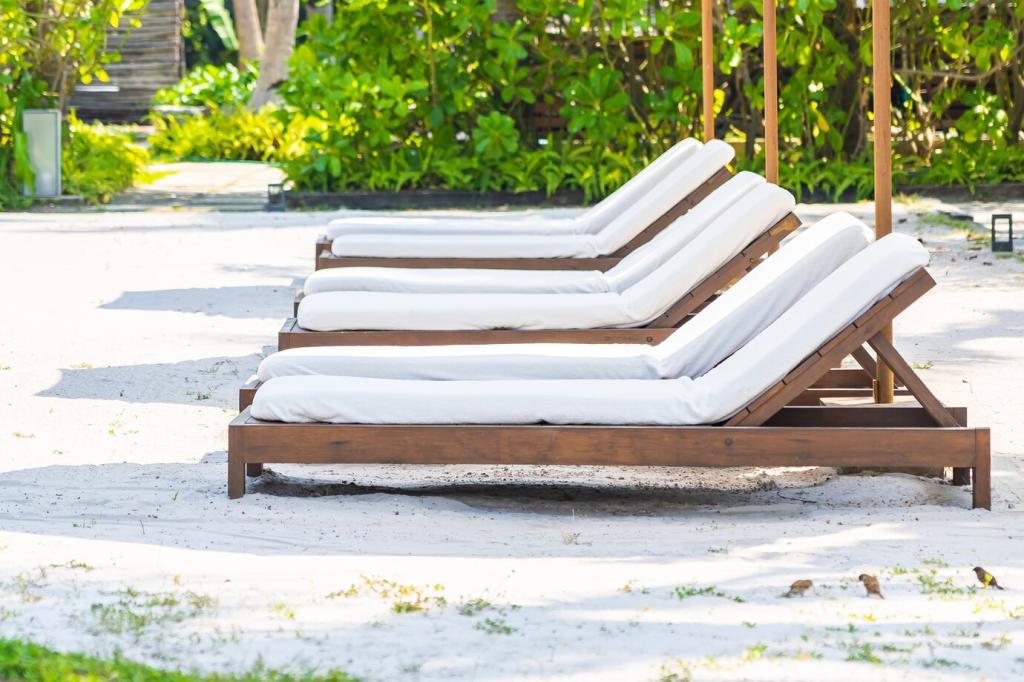
Chosen theme: Natural Elements and Outdoor Furniture: How to Safeguard. Welcome! Here we blend practical know‑how with lived experience so your patio, balcony, or backyard stays beautiful through sun, rain, wind, and seasons. Read on, learn something new, and tell us what worked for you—your comment could save someone’s favorite chair.
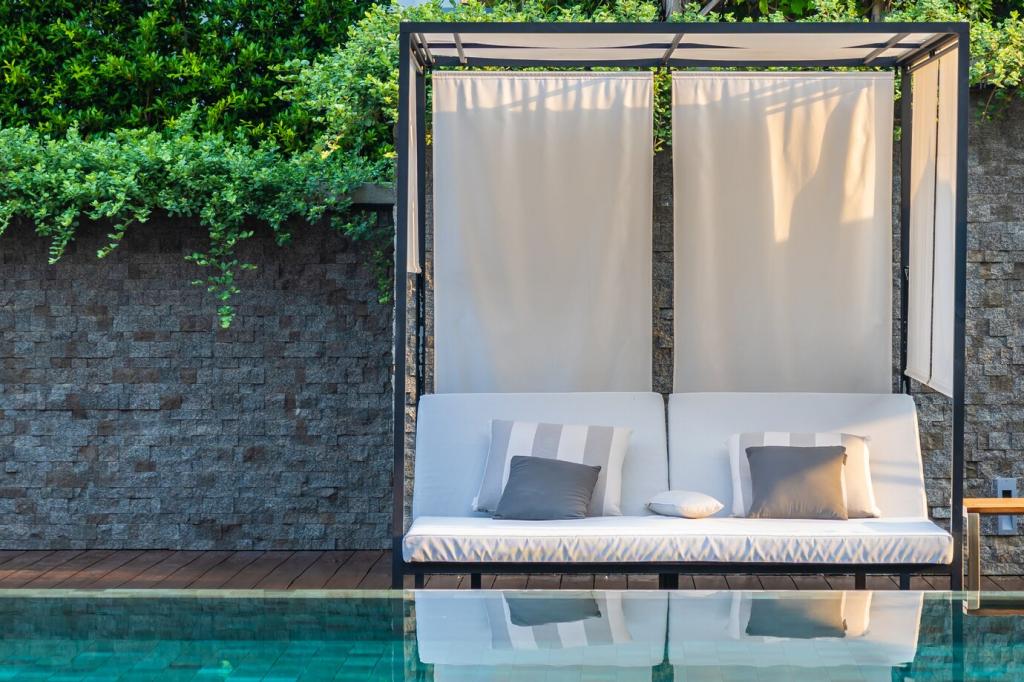
Sun and UV: The Slow Fader
Ultraviolet light breaks down pigments and polymers, causing fabrics to fade and plastics to chalk. Even wood lignin degrades, graying the surface. Plan shade, choose solution‑dyed fabrics, and rotate cushions. If you’ve watched a vibrant umbrella fade to pastel, you know why consistent UV management matters all season.
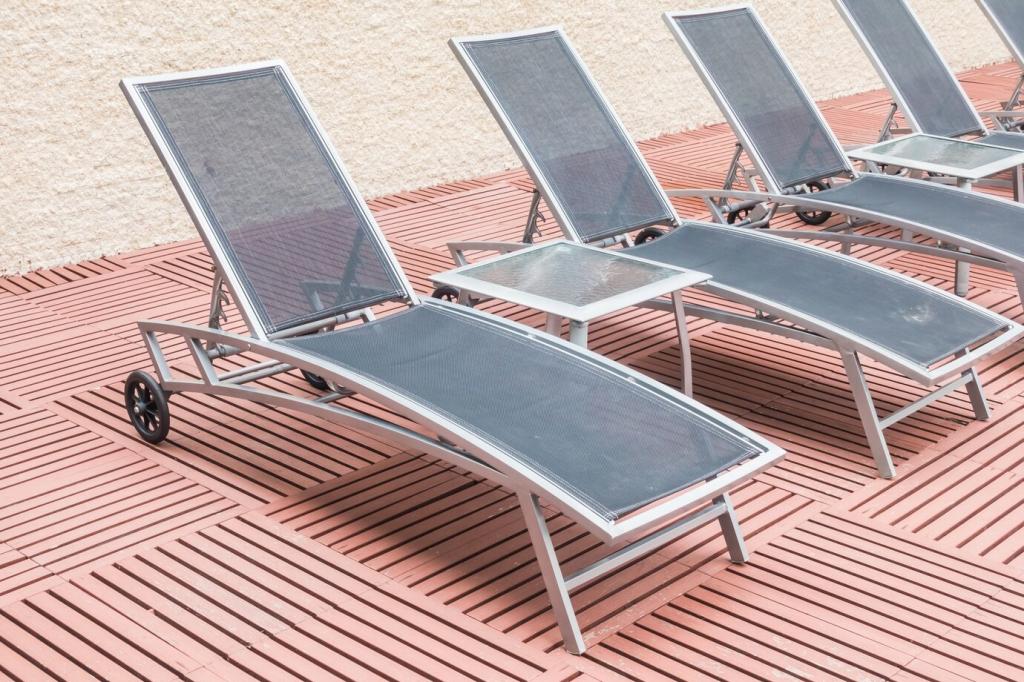
Water, Humidity, and Freeze–Thaw
Rain swells wood fibers, humidity drives mold, and trapped moisture freezes, expanding and cracking finishes. Water that sneaks under a non‑breathable tarp becomes a mildew factory. Design drainage paths, elevate legs, and dry thoroughly before covering. Tell us your climate zone so we can suggest a moisture routine that fits.
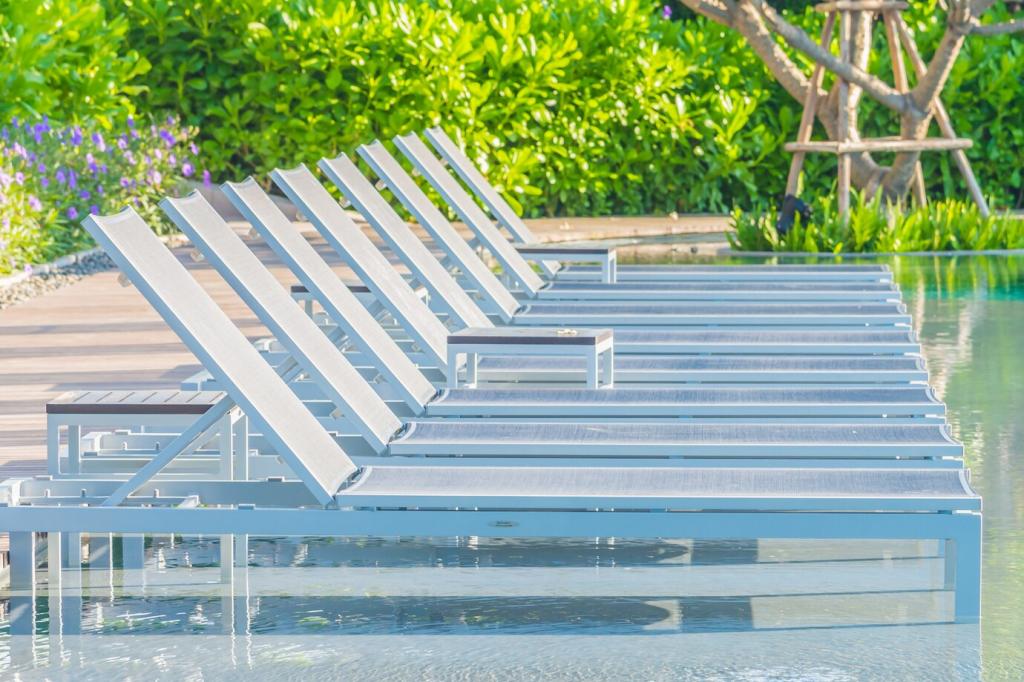
Wind, Grit, and Abrasion
Strong gusts topple furniture, while airborne grit acts like sandpaper on finishes. Repeated micro‑abrasion opens pores for water and UV. Secure light pieces, add protective foot caps, and position windbreaks. If a spring storm ever chased a chair across your yard, you already understand the value of simple tie‑downs.
Material Choices That Naturally Resist the Elements
Durable Woods: Teak, Ipe, and Acacia
Teak and ipe contain dense fibers and natural oils that resist moisture and pests. Left unfinished, they weather to a classic gray; oiled, they maintain warmth. Sand lightly with the grain and apply a breathable, UV‑resistant oil yearly. Have you tried letting teak silver? Post a photo—our readers love the patina.
Metals: Aluminum, Steel, and Stainless Choices
Powder‑coated aluminum won’t rust, yet it can suffer galvanic corrosion when paired with dissimilar metals. Steel is strong but needs robust coating; stainless 316 beats 304 in salty air. Inspect chips and touch up immediately. If you live coastal, say so below—we’ll recommend marine‑grade hardware that actually lasts.
Wicker and Plastics: Resin That Endures
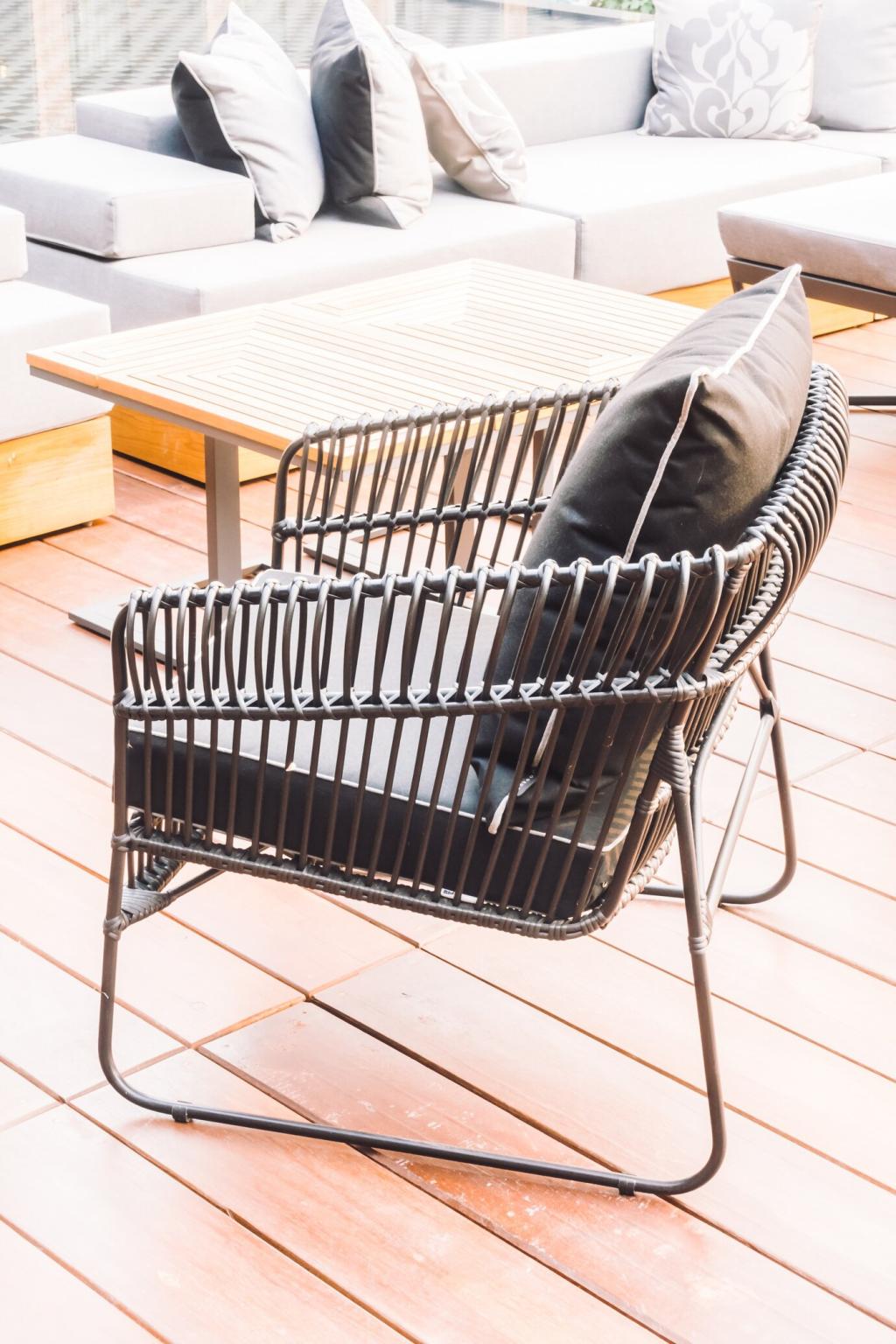
High‑density polyethylene (HDPE) and UV‑stabilized resin wicker outperform natural rattan outdoors. Color‑through formulations reduce visible scratches, while tight weaves shed water better. Clean with soft bristles, avoid harsh solvents, and keep sharp edges away. Share your brand experience—crowdsourced insight helps everyone choose resilient pieces.
Moisture Management: Keep It Dry, Keep It Lasting
Select vented, breathable covers with clipped hems and straps that prevent billowing. Avoid plastic tarps that trap condensation and invite mildew. Allow airflow beneath by using furniture risers. After storms, lift a corner to release humidity. If a cover smells musty, wash it promptly—your cushions will thank you later.
Moisture Management: Keep It Dry, Keep It Lasting
Choose solution‑dyed acrylic or olefin fabric with UV inhibitors, and opt for reticulated quick‑dry foam that sheds water in hours, not days. Unzip, clean with mild soap, and fully dry before storage. If you beat last summer’s mildew, tell us the method—your tip could save someone’s weekend project.
Wind and Storm Readiness: Small Steps, Big Saves
Secure lightweight chairs with discreet straps, and cluster sets against a wall to reduce lift. Use hurricane‑rated anchors for umbrellas and close canopies at the first advisory. One reader’s bistro set survived a gale thanks to simple bungee cords—proof that practical beats perfect when weather turns fast.
Wind and Storm Readiness: Small Steps, Big Saves
Stack or fold pieces in a sheltered corner, and bring cushions indoors. Pre‑label bins so everyone knows where items go when the forecast turns. Practice once before storm season. Share your rapid‑response routine; we’ll compile the best tips and send them to subscribers before the next front.
Wind and Storm Readiness: Small Steps, Big Saves
Salt spray accelerates corrosion, hail chips coatings, and freeze–thaw stresses joints. Use 316 stainless near coasts, thicker powder coats in hail zones, and flexible glues in cold regions. Tell us your zip code and conditions; we’ll suggest a microclimate‑specific material and finish kit that really works.
Winterization and Off‑Season Care
Clean Before You Cover
Remove dirt with pH‑neutral soap, rinse gently, and let every surface dry completely. Avoid aggressive pressure washing that drives water into joints. Treat stains now rather than in spring when they’ve set. If you have a go‑to cleaner recipe, share the ratios so others can duplicate your success.
Smart Storage Conditions
Choose a dry, ventilated shed or garage, raise pieces on pallets, and leave small gaps for airflow. Use breathable covers even indoors, and tuck desiccant packs into cushion bins. Block rodent access. If you’ve turned a tiny closet into a seasonal gear zone, post photos—we love space hacks.
Label, Bag, and Track Hardware
Bag screws and caps by item, label clearly, and tape inside the matching frame. Keep a simple spreadsheet of finish dates and parts. Future you will cheer when spring reassembly takes minutes, not hours. Want our printable checklist? Ask in the comments and we’ll send it to subscribers.
Routine Maintenance That Actually Sticks
Tighten wobbly joints, inspect coatings for chips, and look under cushions for early mildew. Five minutes now prevents fifty later. Keep a small kit handy—hex keys, touch‑up paint, soft brush. Comment with your favorite quick‑fix tool; we’ll compile a community‑approved mini kit for outdoor upkeep.
Routine Maintenance That Actually Sticks
Lightly sand grayed wood, re‑oil or re‑varnish, replace worn glides and cracked caps, and lubricate moving parts with dry lube. Check umbrella mechanisms and bases. These rituals extend life dramatically. Share before‑and‑after photos—nothing inspires like visible results and a chair that looks brand‑new again.
Routine Maintenance That Actually Sticks
Use calendar reminders aligned with your climate: pre‑summer UV coat, pre‑storm tie‑down check, pre‑winter deep clean. Keep receipts and finish notes. Subscribers receive seasonal nudges so nothing slips. Tell us your hemisphere and we’ll adjust timing suggestions to match your sun and rain cycles.
Nature’s Wildcards: Mold, Pests, Sap, and Stains
Mold and Mildew Without Harsh Damage
Treat early with oxygen bleach or diluted vinegar, test discreetly, and rinse thoroughly. Sun‑dry cushions to finish the job. Avoid chlorine on solution‑dyed acrylic—it can weaken fibers over time. If you’ve beaten a persistent black spot, detail your steps so others can replicate the win safely.
Insects and Rodents
Borate treatments deter termites in susceptible woods; mesh screens block nesting in hollow frames. Seal openings yet preserve drainage and airflow. Store cushions in sealed bins, not sheds with gaps. Share any humane deterrents that worked for you—our readers appreciate effective solutions that respect wildlife.
Tree Sap, Pollen, and Bird Gifts
Place furniture outside drip lines when possible, or cover during pollen peaks. For sap, start with isopropyl alcohol on a soft cloth, then mineral spirits if needed. Work slowly to protect finishes. If a particular tree is your yearly nemesis, tell us—someone has cracked that exact cleanup puzzle.