Selected theme: Weatherproof Outdoor Furniture Materials. Explore how metals, woods, polymers, fabrics, and finishes stand up to sun, salt, and storms—so your outdoor space looks great in every season. Join the conversation, subscribe for new material deep-dives, and tell us what’s on your deck.
Decoding Durability: What Makes a Material Weatherproof
Sunlight breaks chemical bonds, fading colors and weakening surfaces. Weatherproof materials rely on UV inhibitors, stabilizers, and solution-dyed pigments that push color through the entire fiber, so scratches hide better and hues stay vibrant even after scorching summers.
Decoding Durability: What Makes a Material Weatherproof
Rain sneaks into pores and joints, where rot and corrosion begin. Teak’s natural oils repel water, HDPE sheds moisture entirely, and stainless steel resists rust. Thoughtful joinery, gaskets, and powder coating seal gaps, keeping frames sturdy through soggy seasons.
Decoding Durability: What Makes a Material Weatherproof
Daily temperature swings stress materials. Aluminum expands and contracts evenly, ceramics need stable cores, and closed grains reduce cracking. Smart designs include drainage, breathable sealers, and flexible adhesives to survive icy nights and blazing afternoons without ugly fractures.
Powder-Coated Aluminum Frames
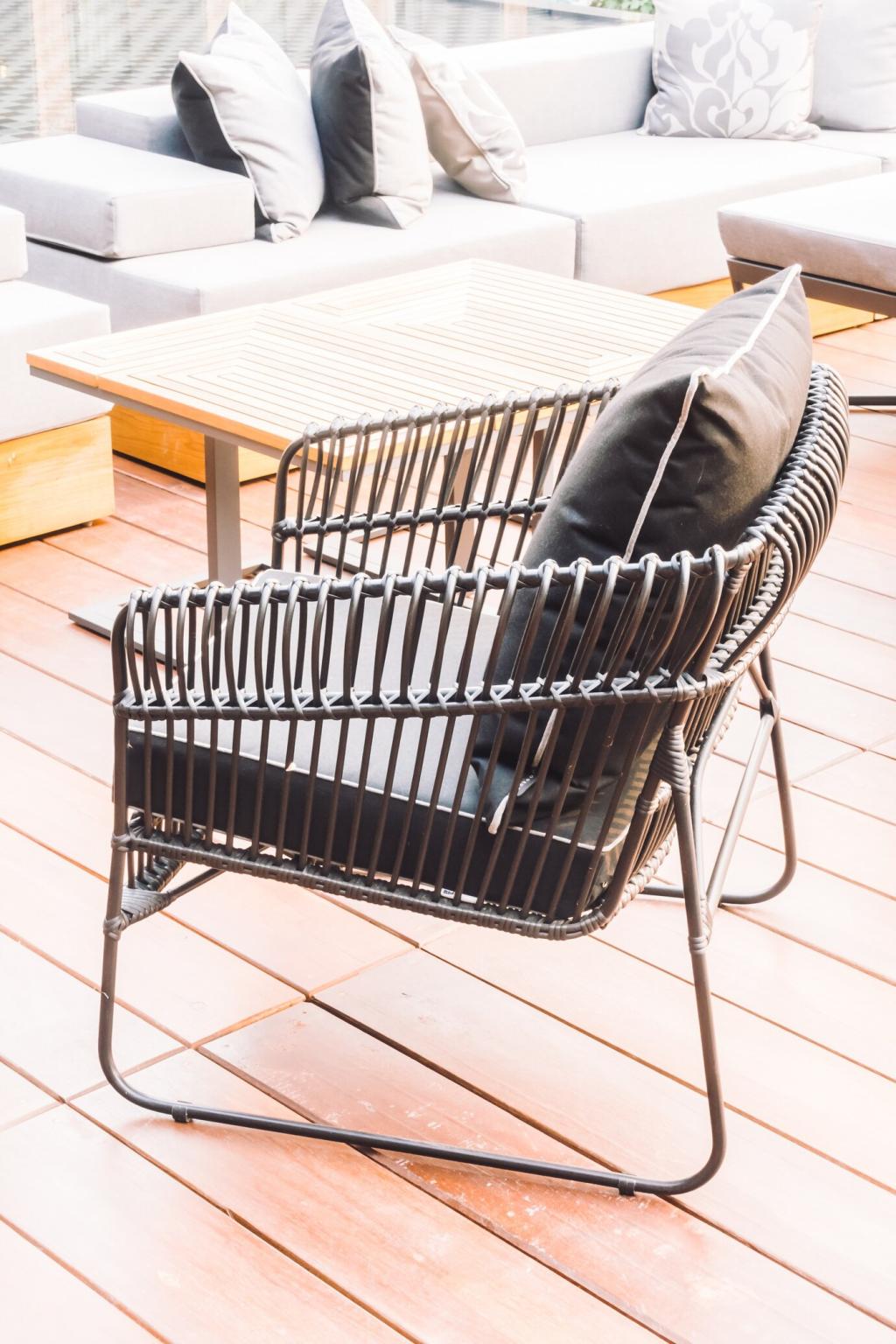
Light, rustproof, and strong, aluminum shines outdoors when it’s thick-walled and braced at stress points. A quality powder coat bonds electrostatically, then cures into a shell that resists chips and oxidation, even after seasons of sun and spring pollen.
Stainless steel resists corrosion, but grades matter. 304 handles most backyards; 316 includes molybdenum for superior salt resistance in coastal zones. Look for polished finishes, proper passivation, and capped tube ends to stop tea staining and hidden internal rust.
Beautiful Plastics: HDPE, Marine-Grade Polymer, and Resin Wicker
High-density polyethylene, often recycled from milk jugs, becomes dense, UV-stable lumber for Adirondacks and benches. Color runs through the material, so scratches hide well. It never rots, splinters, or needs repainting, and it cleans with a quick soap-and-water wipe.
Beautiful Plastics: HDPE, Marine-Grade Polymer, and Resin Wicker
Built for boat decks, MGP resists salt, chemicals, and constant wet-dry cycles. It holds screws securely, won’t delaminate, and avoids chalky fading with UV-stable pigments. Ideal for coastal rooftops where metal corrodes fast and wood maintenance becomes a constant chore.
Hardwearing Wood: Teak, Ipe, and Thermally Modified Choices
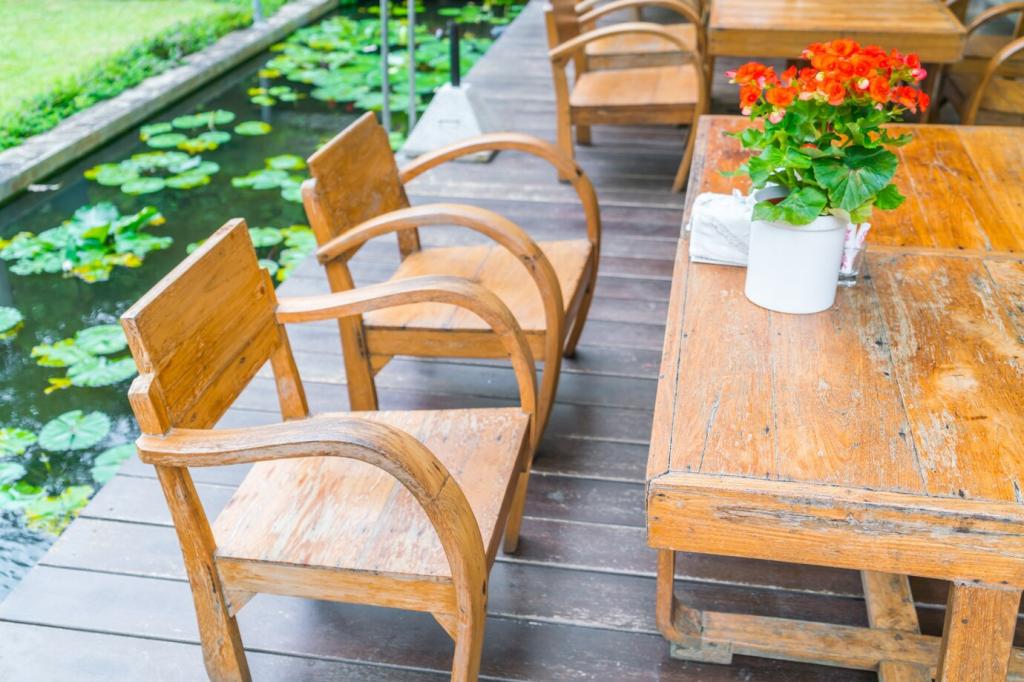
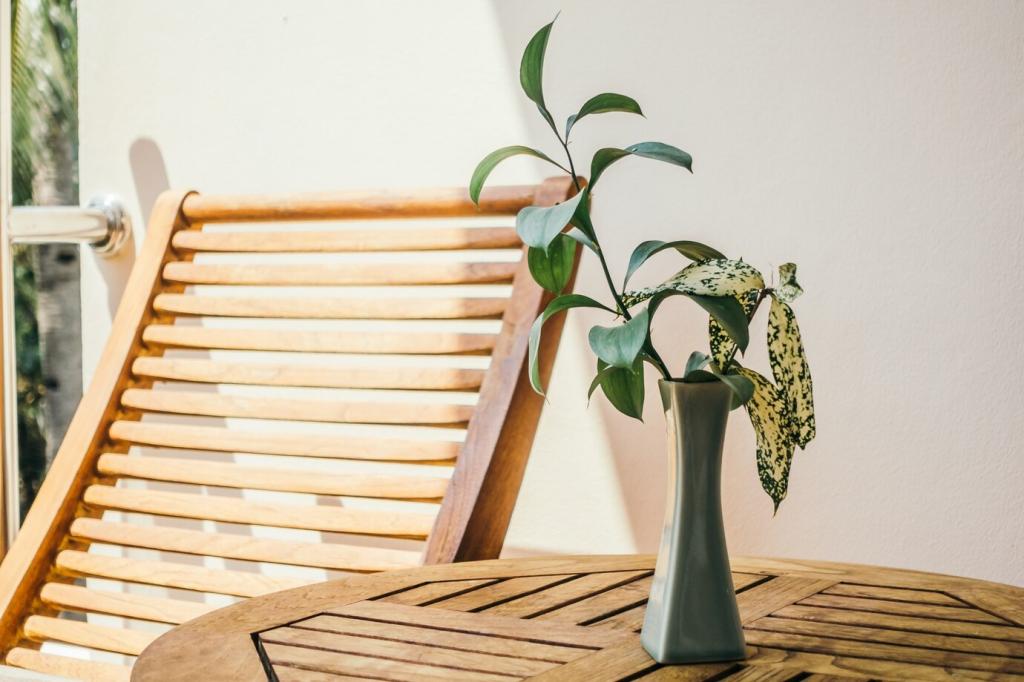
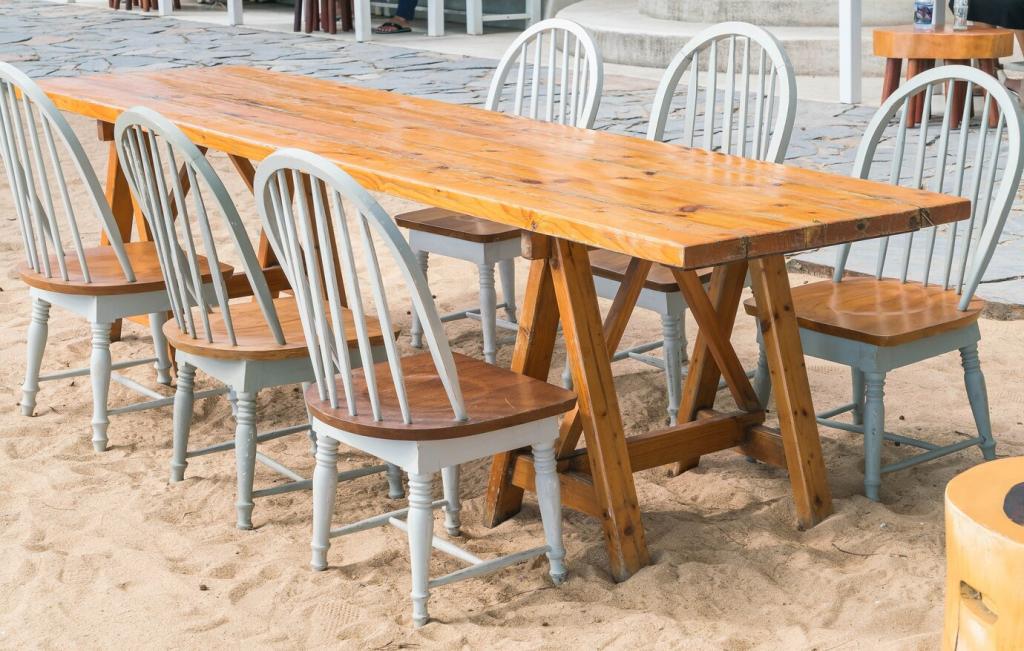
Dense, oily teak resists rot naturally. Choose kiln-dried, Grade-A heartwood with mortise-and-tenon joinery. Let it weather to a soft silver or maintain honey tones with breathable sealers, not heavy oils. Mild soap, a soft brush, and patience beat pressure washing.
Fabric and Foam: Cushions That Dry Fast and Resist Sun
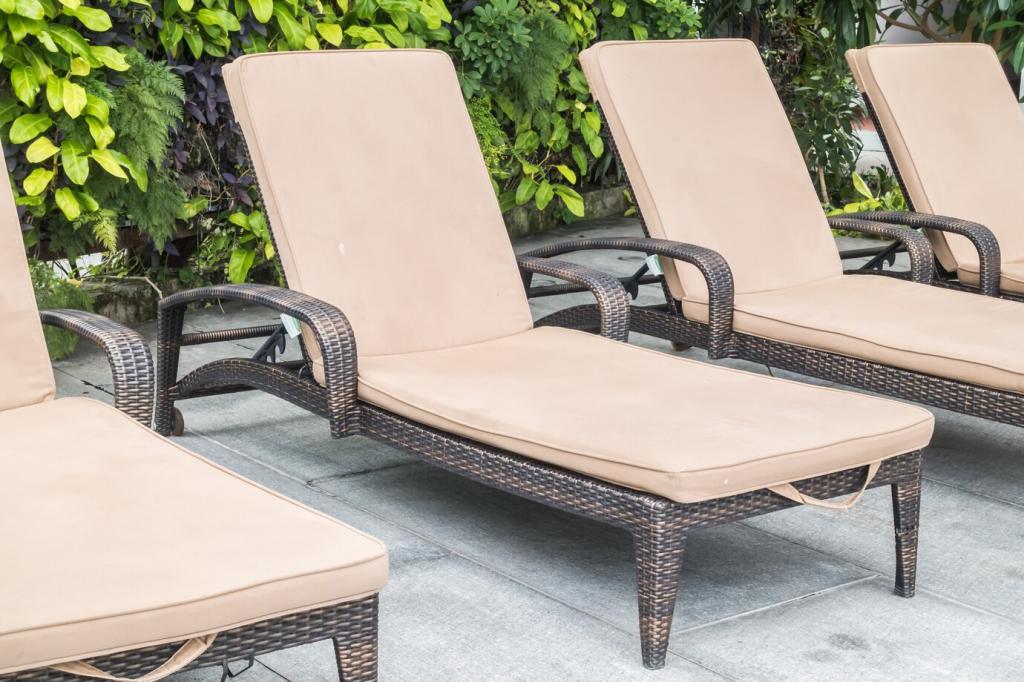
By embedding pigment in the fiber, solution-dyed acrylics keep colorfastness high and fading low. They breathe, resist mold, and clean easily—even with diluted bleach. Expect soft handfeel plus robust performance on loungers, umbrellas, and outdoor pillows season after season.
Fabric and Foam: Cushions That Dry Fast and Resist Sun
Olefin fibers resist stains and moisture with excellent value. They dry quickly and feel pleasantly textured, though they may run warmer on sun-blasted patios. Pair with ventilated cushion designs to maximize comfort and longevity without constant shuffling after rain.
Surfaces and Tabletops: Concrete, Ceramic, and HPL That Brave the Elements
Glass or fiber reinforcement controls microcracks while keeping weight workable. Breathable sealers block stains from wine and oil yet let moisture escape, preventing blisters. Expect a living patina that earns character without crumbling through rainy seasons and winter freezes.
Surfaces and Tabletops: Concrete, Ceramic, and HPL That Brave the Elements
Porcelain tops bonded to aluminum or tempered glass resist scratches, heat, and UV. Look for rounded edges, proper backing, and drainage so water can’t hide. Avoid sudden thermal shock; use trivets, then brag about your spotless surface after summer grilling.